October 26, 2026
How to pick a spray window around a pre-application weed flight
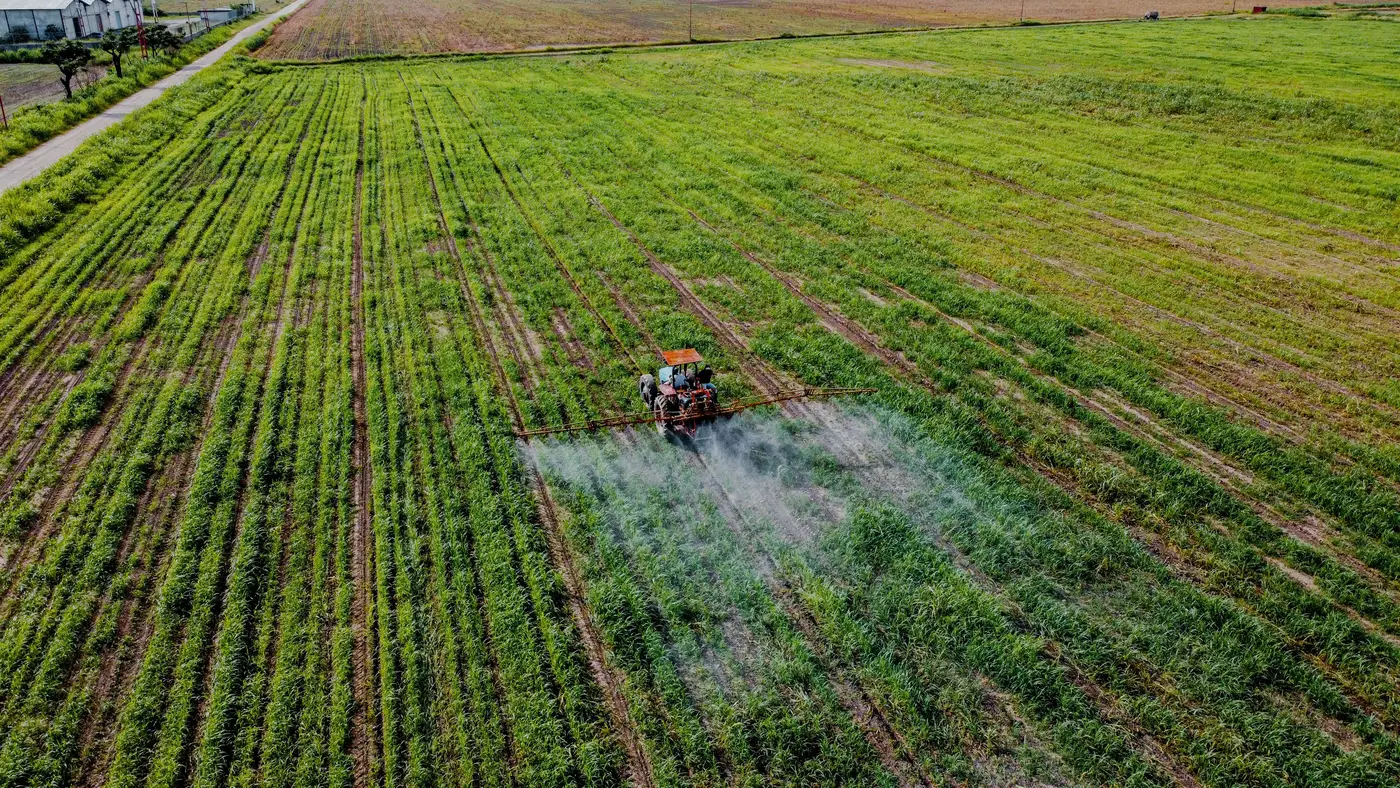
Most crews pick the spray day first and work backward to the flight. That's backward. The flight is what tells you if the spray day you picked still makes sense, and by the time you find out it doesn't, you've already burned a day on the calendar.
The flight date and the spray date are two different decisions
A spray window is set by the chemical label, the weather forecast, and whatever boom or ground conditions you're working around. A flight window is set by light, wind, and whether the weeds you're trying to catch have emerged enough to show up at leaf scale. Those two windows overlap, but they're not the same window, and treating them as one is how you end up flying three days before a window closes and then finding patches that barely registered in the pass.
The order that works: scout roughly when the flush is due, fly a few days ahead of your earliest realistic spray date, then lock the spray date once you've seen what the pass caught. If the flight shows a light, patchy flush, you might push the spray date out a few days and let more weeds come up, so you're not running the boom over ground that's 80% clean. If it shows a heavy stand already past the stage your label wants, you move the spray date up and accept you're treating earlier than planned. Either way, you're deciding off what's out there, not off a date someone picked two weeks ago.
Growth stage drives the flight date more than the spray date does
Pre-emergent timing gets most of the attention because the label is strict about it. But growth stage also decides when the flight is worth flying at all. Fly too early and the flush hasn't broken the surface yet, so the pass comes back clean when the field isn't. Fly too late and weeds that were small enough to spot-treat a week ago have bolted into something that needs a different rate or a different pass entirely.
The practical rule most crews land on: fly once the earliest weeds in a field are showing true leaves, not cotyledon. That's roughly the point where a 2 cm pass starts separating weed from crop reliably at leaf scale, instead of guessing at a smear of green that could be either. If you're managing a flush that comes up unevenly across a field, which is most flushes, plan on the flight catching early risers and some stragglers in the same pass. That's fine. The treat map tells the sprayer where the risers are now; it doesn't need every last straggler to be worth flying.
Flight-to-spray turnaround: how much slack to build in
This is the number that actually breaks schedules. A flight that sat on someone's desk for four days before the map came back is a flight that's describing a field that no longer exists, especially mid-flush when growth moves fast. Turnaround sets your week; flight day follows it.
A rough way to think about it: if the flush is moving fast (warm, wet week, weeds jumping a growth stage every two or three days) you want flight-to-spray turnaround measured in a day or two. If growth has stalled out (cool snap, dry stretch) you've got more room, and a three- or four-day gap between flight and boom won't cost you much. Ask whoever's running the pass what their turnaround is before you commit a spray date to it, and build the rest of the week's schedule off that answer rather than an assumption.
None of this works if the flight and the map are disconnected from each other, which is the whole point of matching a map to the specific pass that flew it rather than treating the flight as a one-off deliverable. A per-pass patch map keeps the flight and the spray window tied together, so the window you pick is based on what that pass caught, not on a schedule built before anyone flew anything.
If you're setting up this week's runs and want a patch map built around the pass that's flying, that's the gap Weed Mapping is built to close.