October 26, 2026
What is a blanket rate, and when it still beats a patch map
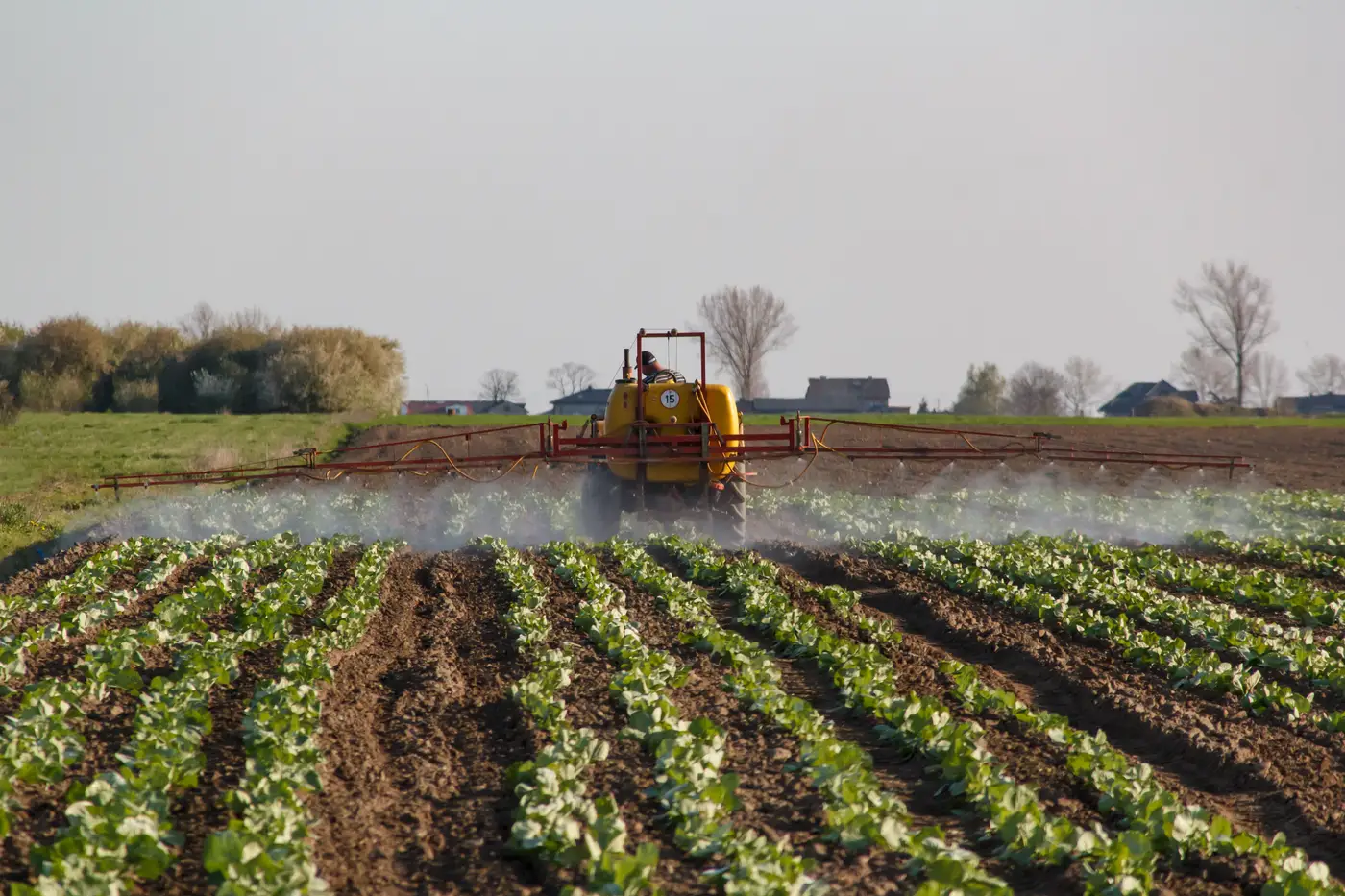
A blanket rate is the simplest spray decision there is: one rate, applied edge to edge, no matter what's growing where. You set the boom, you set the tank mix, you run the field top to bottom. No section shutoff decisions, no treat map to load, no second-guessing the operator on pass three.
A patch map flips that. It's a field broken into treat and no-treat zones so the boom only opens where there's something to kill. Section control does the rest, shutting nozzles off over clean ground.
Both are legitimate calls. The question for an ops lead scheduling this week's runs isn't which one is "better," it's which one fits the field in front of you.
When blanket still wins
Blanket rate earns its keep when the weed density threshold is high enough that spot spraying wouldn't save you anything worth the extra setup time. If three-quarters of the field needs treating, a patch map just adds a planning step to a job you were going to spray wall-to-wall anyway.
It also wins on tight spray windows. If you've got a six-hour window before wind picks up or rain moves in, and the crew is already staged, running blanket means the applicator starts now instead of waiting on a treat map to load into the controller. Speed of execution sometimes beats precision of application, especially late in the season when weed pressure has gotten ahead of the rotation.
And it wins when the field's history tells you coverage is uniform. A grower who's fought the same broadleaf pressure across the whole quarter section for three years running doesn't need a map to confirm what everyone already knows. The agronomy is settled; the only open question is timing.
Where a patch map earns its cost
The math flips once weed pressure sits in patches rather than sheets. Fence lines, low spots, a strip along an old terrace, the headland where the planter skipped a pass. In fields like that, a blanket application is spending chemical spend on ground that doesn't need it, and the contractor is the one eating the tank mix cost or passing it to a grower who's going to ask why the invoice doesn't match the weed pressure they can see from the truck.
This is the case for a patch map: a per-pass treat map built from aerial imagery close enough to leaf scale to separate weed from crop row by row, not field by field. The map tells the boom where to open and where to stay shut. You're spraying the square metres that need it and skipping the ones that don't.
Deciding before the crew rolls
Most contractors land on this as a straight threshold call. Pull up the field, or walk the headlands if you haven't flown it, and ask what fraction is actually carrying weeds. Below some rough cutoff, usually somewhere in the range where most of the field reads clean, a patch map starts paying for the extra setup in saved chemical. Above it, blanket is just faster and nobody's losing money on product.
What a patch map can't do is turn a blanket-rate field into a spot-spray job just because the technology exists. If the pressure's uniform, mapping it adds a step without adding savings. The call has to start with the field, not the tool.
That's also why this isn't a one-size answer for every acre on the schedule this week. A back forty with scattered patches along the drainage and a front field with uniform pressure from the road in can get two different treatments on the same day, same crew, same tank.
Weed Mapping is where we're building out that per-pass, leaf-scale treat map for contractors who want the patch option on the fields where it pays off. If your week's lineup has fields that look more patch than blanket, see how the mapping works and whether it fits your next pass.